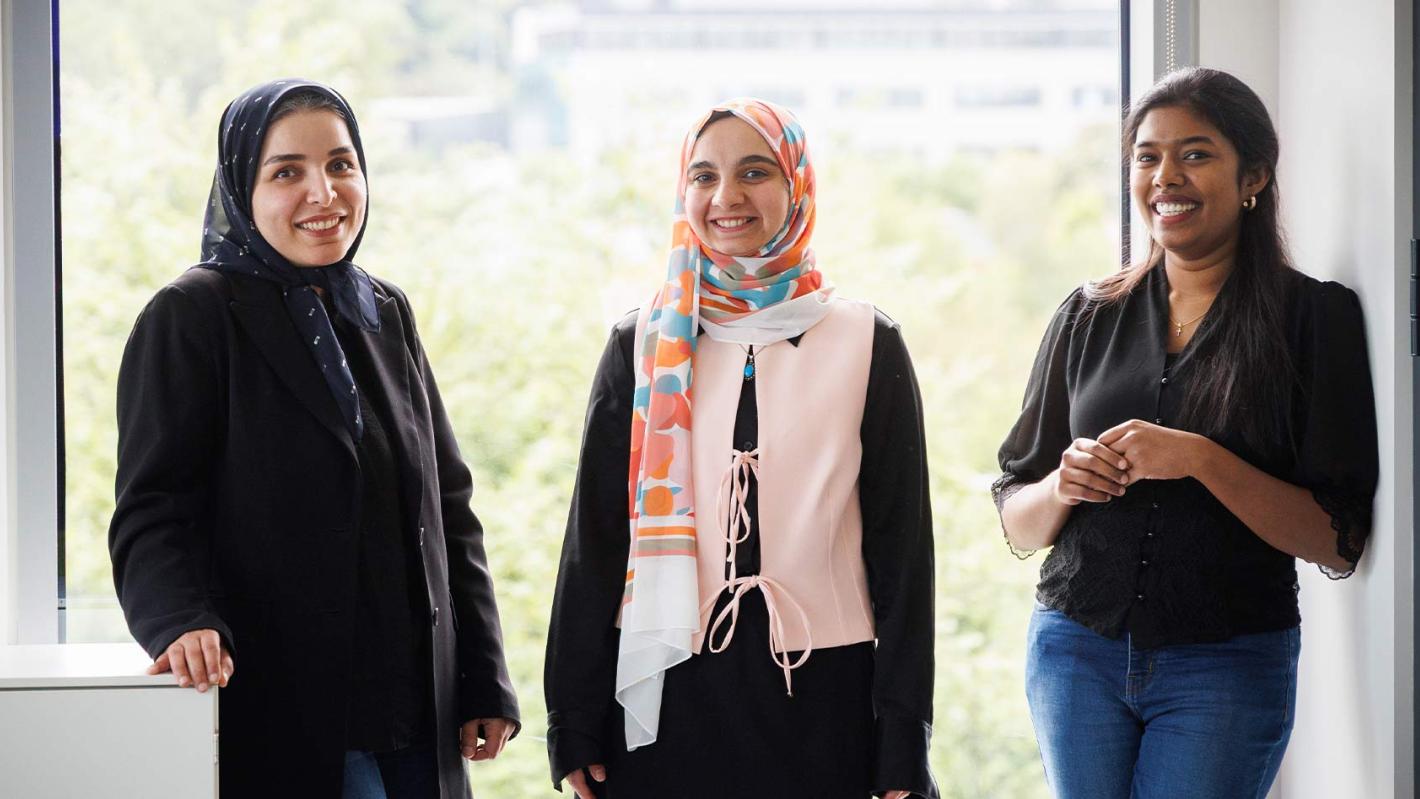
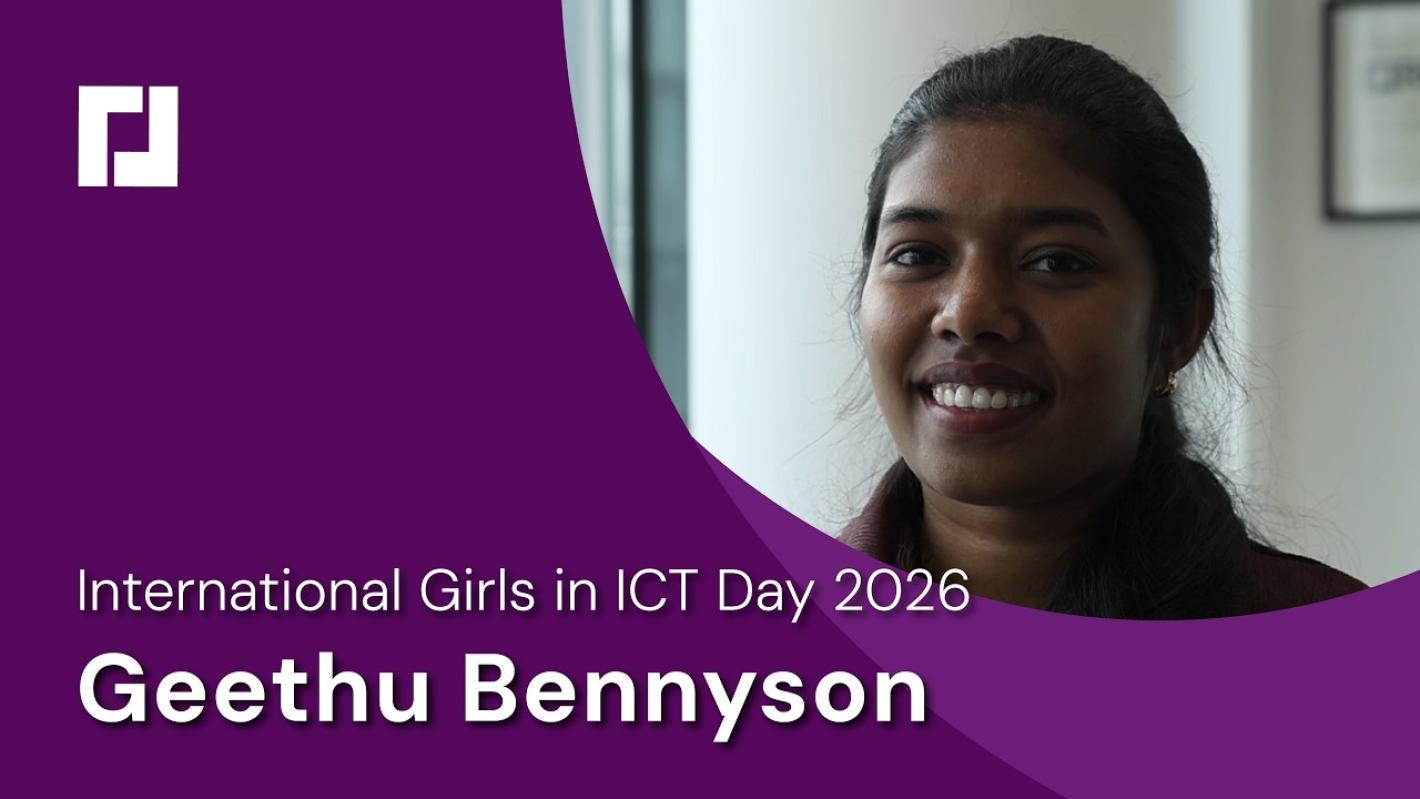
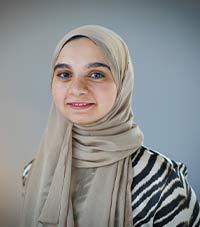
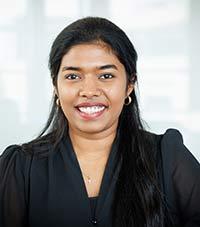
Pictured L-R: Saeedeh Ghanadbashi, Maha Riad and Geethu Bennyson.

To mark International Girls in ICT Day 2026, we spoke to three women in ROD who are making their mark on the built environment by helping to drive innovation on our intelligent transport systems (ITS) projects
Pictured L-R: Saeedeh Ghanadbashi, Maha Riad and Geethu Bennyson.
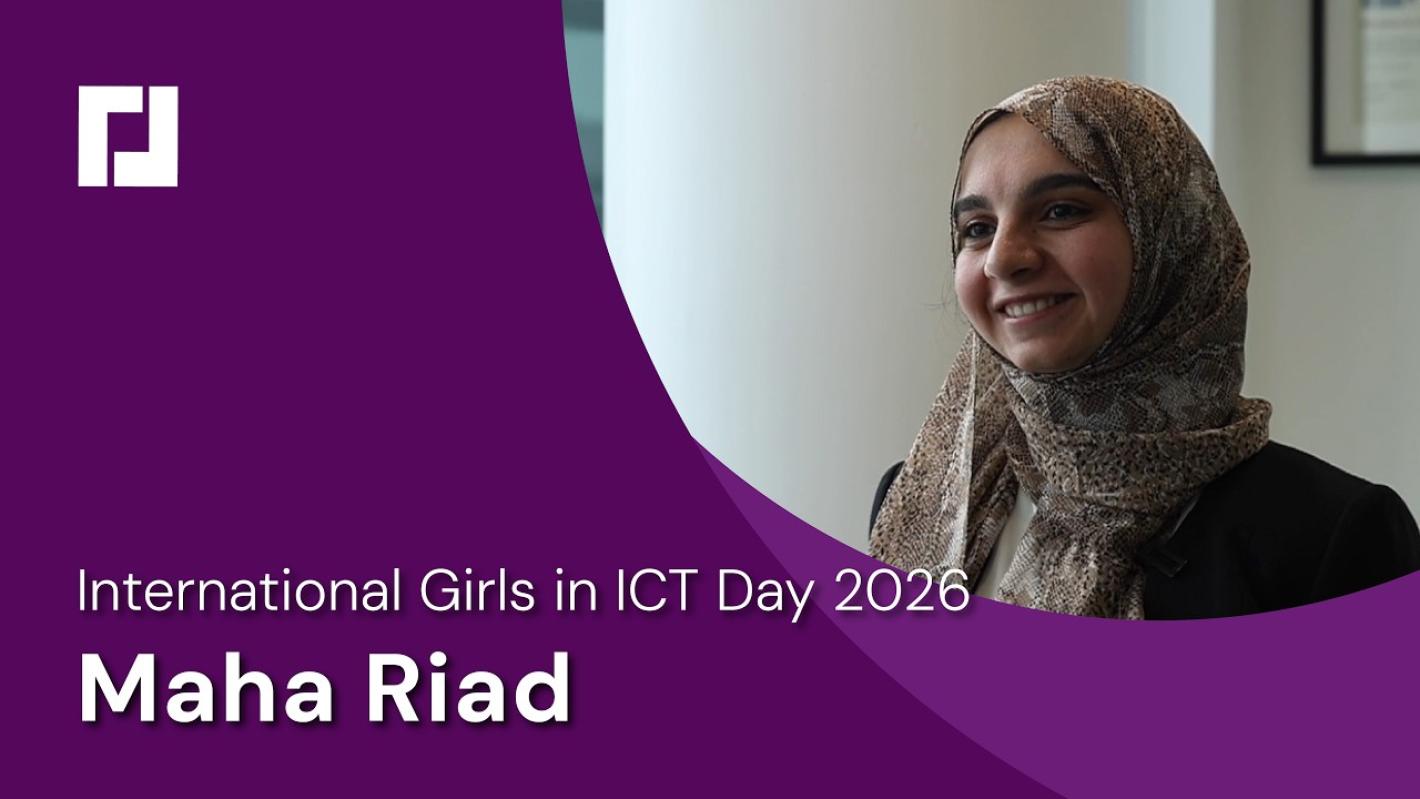
What route did you take into ICT?
When I was a young girl, I was very interested in maths and problem-solving. I undertook a bachelor’s degree and then a master’s in computer science at the British University in Egypt, where I got exposed to different concepts, such as big data and data mining. I subsequently undertook a PhD at University College Dublin. My thesis related to artificial intelligence and focused on autonomous agents such as self-driving vehicles.
What type of projects are you involved in at ROD?
I’m working with the data analytics team on the enhancing Motorway Operation Services (eMOS) Programme, which is focused on improving the safety and efficiency of the M50 motorway.
What do you like about your job?
I like that we are given the space to innovate and create new ideas and incorporate them into our projects. It’ s also nice to be able to collaborate with the other talented women on my team.
Have you had female role models to inspire you? I have always had a female role model, starting with my mother, who works as a computer engineer, and then the teachers in my school. I also had amazing female supervisors during my master’s and PhD.
Would you recommend a career in ICT to girls and young women? I always say that females have brilliant minds and a lot of talent, so my advice to any young girl who has problem-solving skills, who likes to analyse and break problems into pieces, is to study computer science.

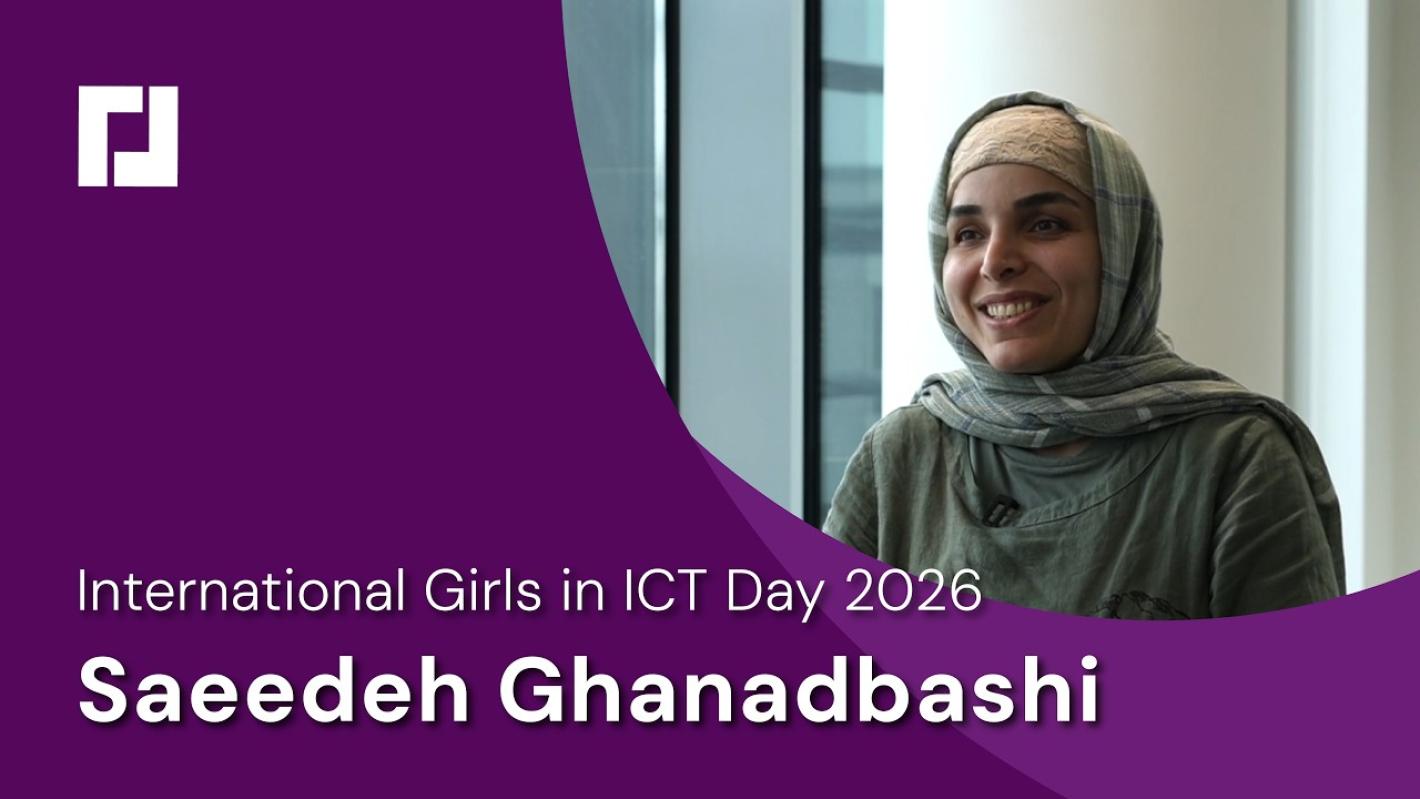
What did you study in college?
I undertook a bachelor’s degree and then a master’s in computer science in Iran. I subsequently came to Ireland and completed a PhD in computer science at UCD.
Did you enjoy your PhD studies?
I really enjoyed the time I spent at UCD; I learned a lot there. My thesis focused on applying learning algorithms to solve very common problems in the traffic domain.
Was there a good gender balance in your ICT classes?
In Iran, half of my fellow students were women. And in UCD, half of the students in my lab were women. The supervisor of my PhD was also a woman, and she inspired me to work hard.
What attracted you to your role in ROD?
I joined ROD because for the opportunity to apply what I learned in the lab to real-world problems.
What do you enjoy about working in ROD’s research team?
I think working together as a team gives you a high chance for discussion - positive discussions - and this is really needed to improve your outcome.
What motivates you?
Proposing novel ideas, new contributions – different from the past – is so satisfying for me.
What inspired your interest in ICT?
My mother is a civil engineer, and my father is a chemical engineer, so that exposure, along with my interest in the area, led me to a career in ICT.
What did you study in college?
I undertook a bachelor’s degree in civil engineering at the School of Engineering Technology in Kerala, India. During my final-year project, I completed a short course in data analytics, which prompted me to apply for a master’s in data analytics at the Technological University of the Shannon.
What did your learn from your master’s degree?
I learned how to extract data, how to visualise it in charts, and how to use it to create meaningful insights for others.
What do you enjoy about your data analyst role at ROD?
I like that I can apply my civil engineering background and my data analyst skills to the role.
Would you recommend a career in ICT to girls and young women?
I would recommend ICT to any girl, because it is relevant across so many industries, from engineering to pharmaceuticals. There is a lot of opportunity and potential in the ICT sector.
How would you like to progress your career in the future?
I would like to advance into a more senior data analyst role and take on greater challenges, such as analysing more complex data and extracting exciting insights from it.